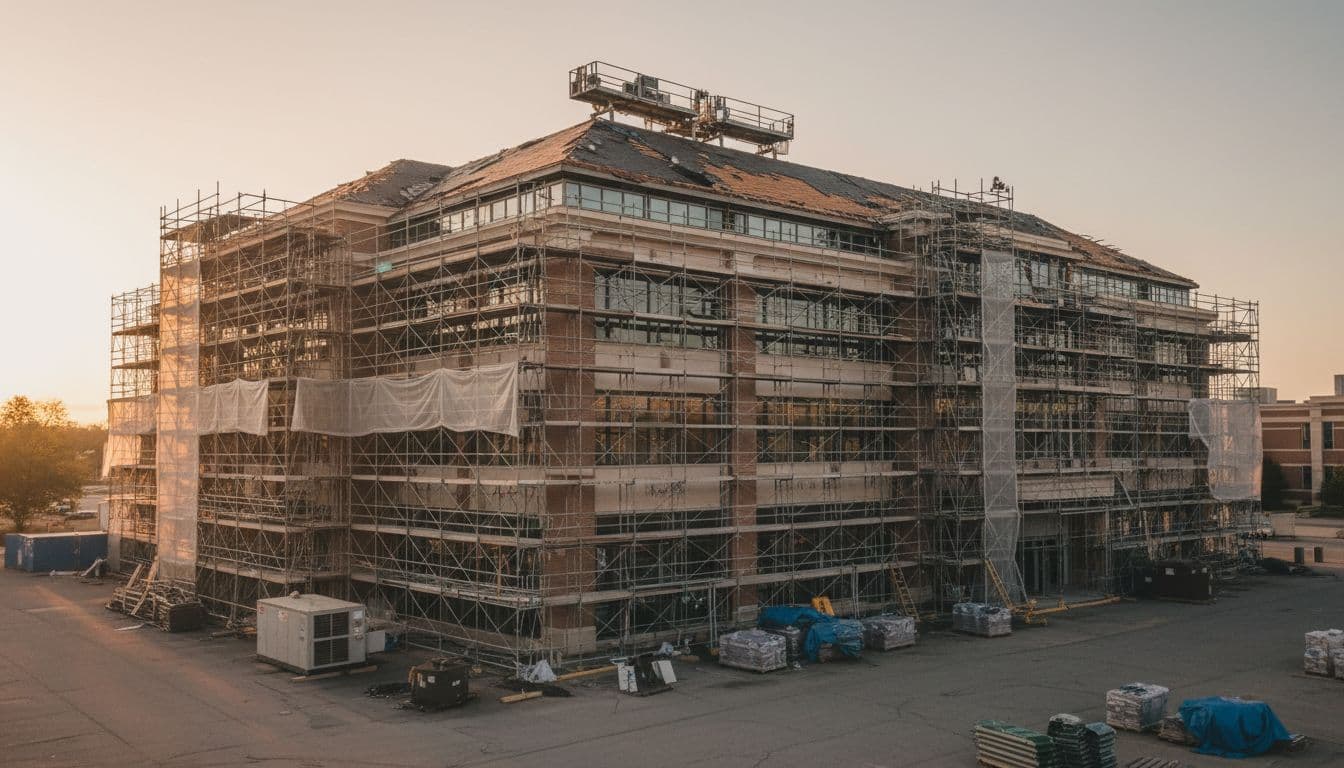
Capital against approved claims so crews stay deployed while reimbursements process.
Disaster recovery and restoration contractors mobilize immediately after storms, fires, floods, and other catastrophic events. The work is urgent, but payment from insurance carriers, government agencies, and property owners follows lengthy claims and reimbursement cycles. Factoring against approved invoices funds the operation while the claim is processed.
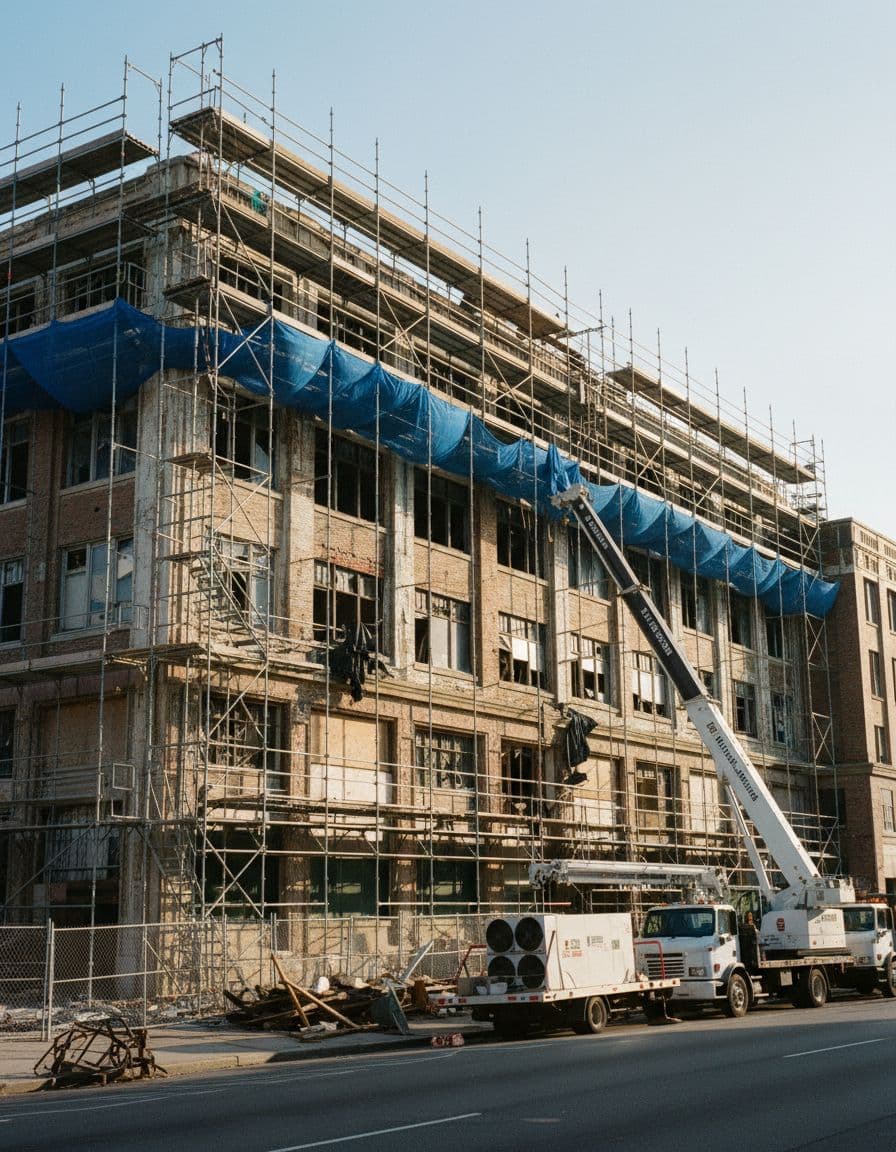
Reimbursement cycles typically run 60 to 180 days. Insurance carriers, FEMA, and municipal agencies process claims on administrative timelines that operate independently of the contractor's project schedule.
Claims require documentation, review, and approval stages. Scope validation, supplement review, and depreciation calculations add processing time between invoice submission and payment release.
Regional events generate concurrent capital requirements. A storm or fire affecting a wide area creates multiple active job sites, each requiring crew, equipment, and materials funded in parallel.
Restoration contractors, remediation firms, and emergency response operators invoicing insurance carriers, government agencies, or commercial property owners. Annual revenue $500K to $20M+.
- ·AR aging report
- ·Sample invoices to insurance carriers or government agencies
- ·Active work orders or scope-of-loss documents
- ·Voided check for ACH funding
- 01
Advance against approved invoices to insurance carriers or government agencies so the contractor can fund crews and materials on the next site without waiting on the claims cycle.
- 02
The contractor retains collection and the customer relationship within the requirements of the insurance or government payer.
- 03
Facility scales with event volume, so a major storm doesn't require a new credit application for each site.