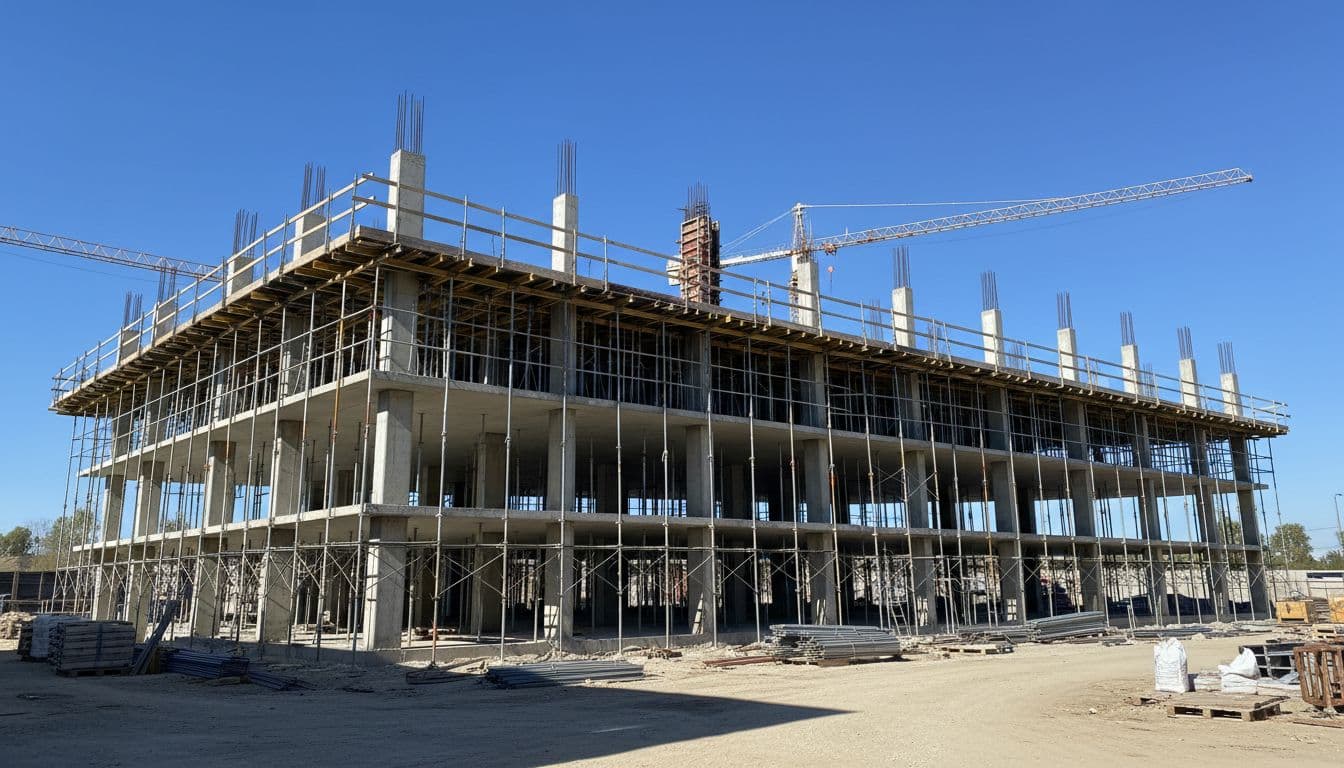
Advance against the general contractor's invoice to fund the next phase.
Subcontractors and specialty trades invoice general contractors or property owners on completion of milestones. Payment terms of 60 to 90 days are standard. Labor, materials, and equipment rental run on shorter cycles. Factoring against the general contractor's invoice funds the account before the next phase begins.
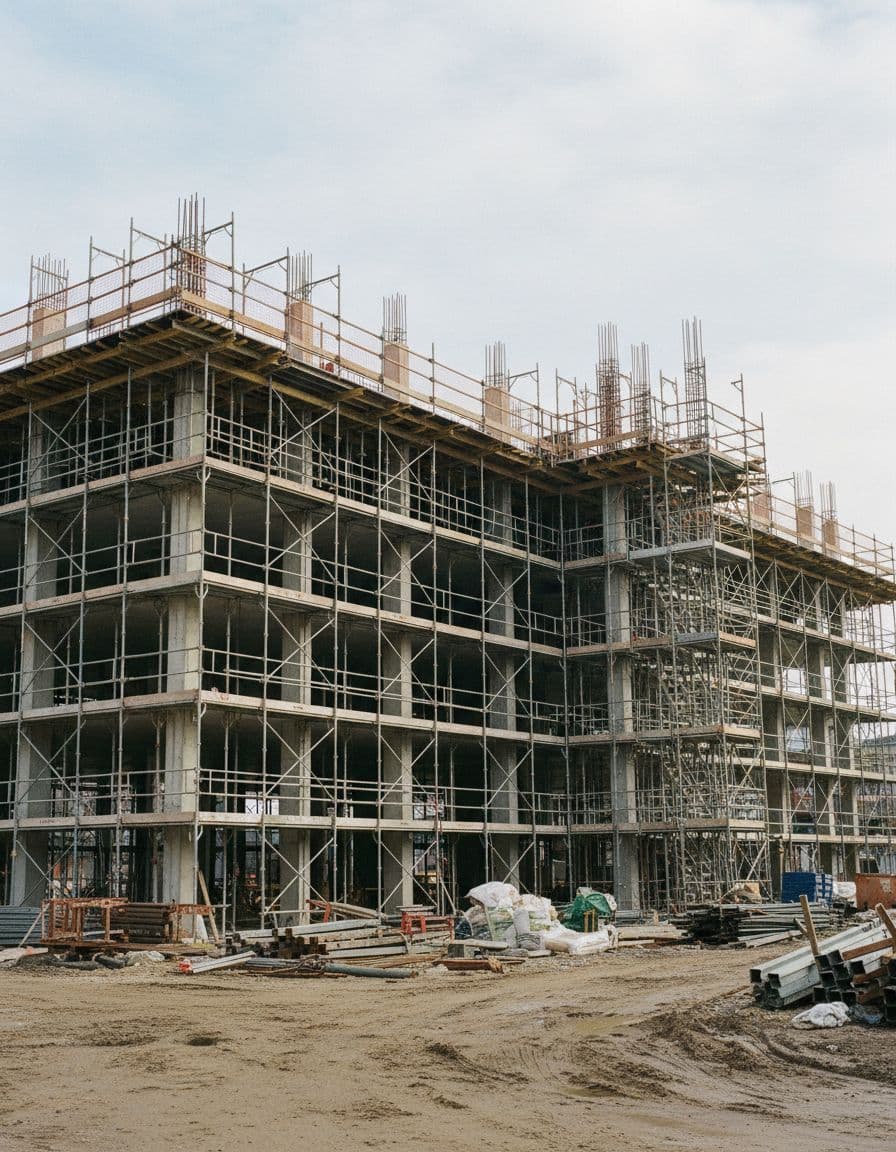
Material and labor costs settle on shorter terms than GC invoices. Lumber, concrete, electrical supplies, and crew wages are due on delivery or weekly. GC invoices typically clear in 60 to 90 days, creating a timing difference on each project phase.
Retainage withholds a portion of each progress payment. General contractors commonly retain 5 to 10 percent of each progress payment until project completion. The retained amount remains outstanding for the duration of the project.
Concurrent projects create parallel working capital requirements. Each active job site carries its own payroll, material, and equipment costs. Multiple simultaneous projects generate independent float periods that run in parallel.
Subcontractors, specialty trades, and small general contractors invoicing commercial or government projects. Annual revenue $300K to $15M+.
- ·AR aging report
- ·Sample invoices or pay applications to GCs
- ·Active contract or purchase order
- ·Voided check for ACH funding
- 01
Advance against approved GC invoices or pay applications so the subcontractor can cover materials, payroll, and equipment for the next phase.
- 02
The sub keeps a clean working relationship with the GC and retains collection and the customer relationship.
- 03
Facility accommodates multiple active projects without requiring separate applications.